Persian
Horizontal, ornamental, and entirely unapologetic about it.
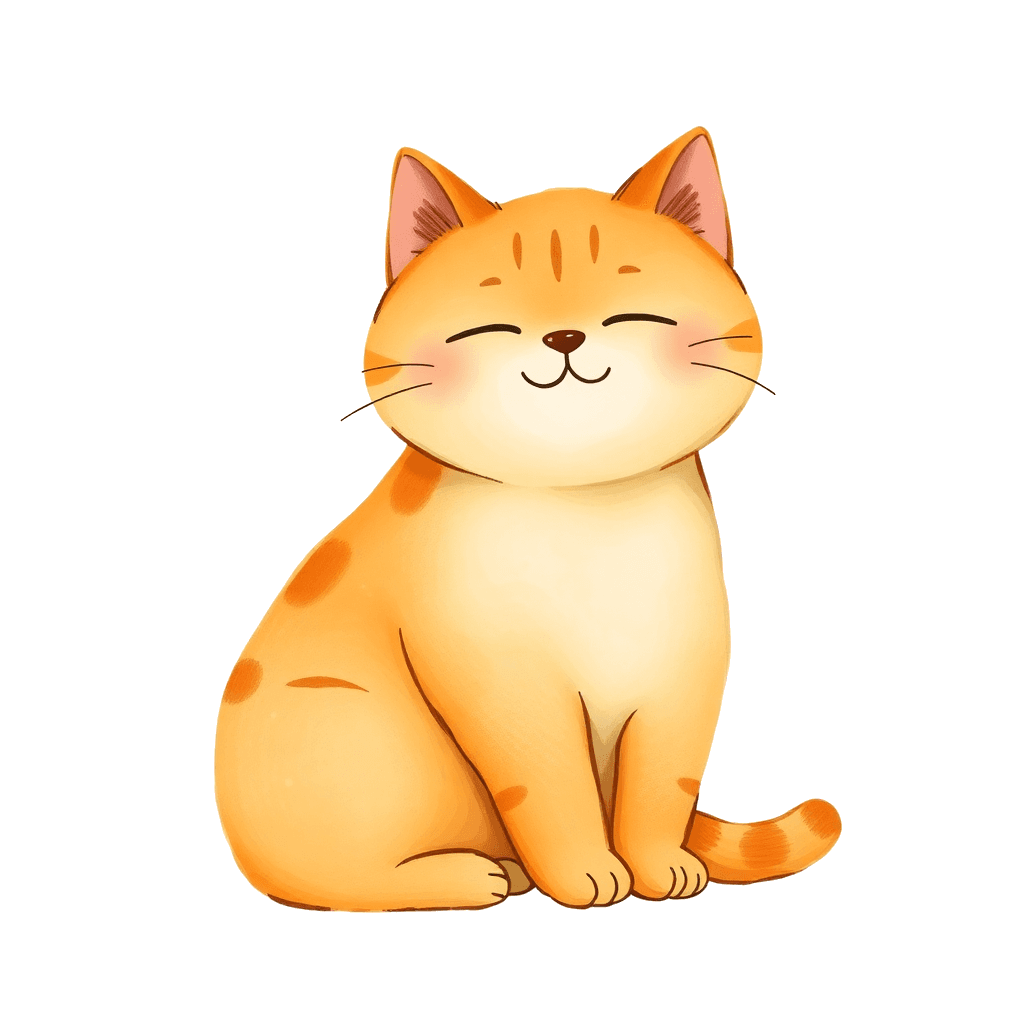
- serene
- sedentary
- dignified
- quiet
- routine-loving
- undemanding
Why you are a Persian
You have found a good spot and you intend to remain in it. You are not lazy — you are settled, which you consider a different and superior condition. You do not chase things, climb things, or investigate noises; if something is important it will come to you. You dislike being laughed at and will simply leave rather than discuss it. You ask for very little beyond comfort, consistency, and a complete absence of sudden events.
The real Persian
One of the oldest recognised breeds, long-established in Europe from Persian and Turkish imports, and CFA's #3 most-registered breed today — it is no longer #1, despite how often that is still written. In CFA the Himalayan is a division of Persian rather than a separate breed; TICA treats it separately. The modern flat-faced show type is the product of deliberate selection, and brachycephalic conformation has documented consequences.
- Registry status
- CFA: yes — currently #3 most-registered; the Himalayan is a Persian division in CFA, but a separate breed in TICA. TICA: yes.
- Origin
- Long-established in Europe from Persian and Turkish imports; one of the oldest recognised breeds.
- Coat
- Long, thick and flowing all over, with an immense ruff. Requires daily attention.
- Size (registry wording)
- CFA describes a medium to large, heavily boned, cobby cat with a short thick neck.
- Weight — commonly cited, not registry-verified
- 7–12 lb (3.2–5.4 kg)
- Life expectancy at birth (UK VetCompass, Teng et al. 2024)
- 10.93 years
- Lifespan — commonly cited by breed guides
- 12–17 years
A note on those two figures. No cat registry publishes numeric weight ranges — CFA and TICA standards are descriptive — so any weight you see anywhere, including here, comes from commercial sources. And the two lifespan rows measure different things: life expectancy at birth includes kittens that do not survive, so it runs lower than the ranges breed guides quote. They are shown separately because averaging them would produce a number that is true of nothing.
Honestly, what is hard about a Persian?
The coat needs genuine daily grooming or it mats to the skin, and the flat-faced show type has documented consequences for breathing and tear drainage — this is a high-maintenance cat in the literal sense.
Documented in the breed
Polycystic kidney disease associated with PKD1 is documented in the breed; reported prevalence has fallen markedly with screening (one UK laboratory recorded a drop from 29% to 10% between 2005 and 2009), and figures differ substantially between countries. Brachycephalic conformation is associated with documented airway and tear-duct effects.
This is general, descriptive information about a breed, drawn from registry statements and veterinary literature. It is not veterinary advice and says nothing about any individual cat.
One more thing
Persians were CFA's most-registered breed for decades and are now third, behind the Maine Coon and Ragdoll — a detail most breed write-ups have not caught up with.
The other 17 results
While you are here
- Cat Name Generator — thousands of names by colour, theme and gender.
- Cat Age Calculator — convert cat years to human years, with a full chart.
- Cat Personality Test — profile your own cat instead of yourself.
Quiz results are for entertainment. Breed information is general and descriptive, is not veterinary advice, and does not describe any individual cat. For questions about your own cat's health, please consult your veterinarian.