British Shorthair
Four paws on the floor, thank you. Dignity is not negotiable.
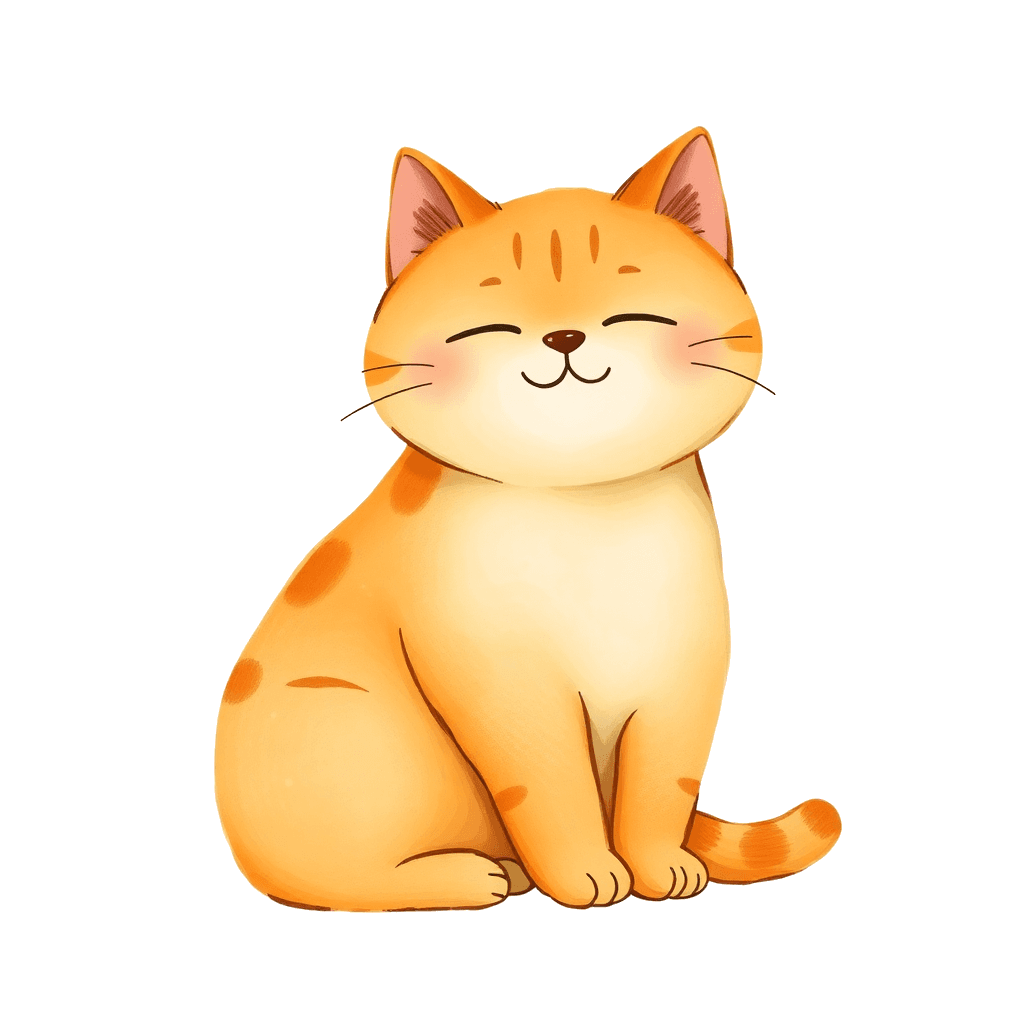
- dignified
- undemanding
- calm
- independent
- quiet
- dislikes being carried
Why you are a British Shorthair
You are fond of your people and you would like to demonstrate this from the floor, beside them, not from their arms. Being picked up is an indignity you tolerate briefly and resent quietly. You are easy company — undemanding, unbothered, content to be left for the day — and you have a strong sense of your own composure. If someone laughs at you, you leave the room. You do not make scenes; you simply withdraw and let them think about it.
The real British Shorthair
Britain's oldest recognised breed, a natural breed, famous for a dense crisp coat and a round face. One frequent misquote: the coat is often described as "not double coated" on the basis of GCCF wording, but GCCF actually says "not flat lying," and FIFe requires a good undercoat. The Cheshire Cat attribution is unsubstantiated folklore and postdates Carroll.
- Registry status
- CFA: yes. TICA: yes. GCCF now recognises the British Longhair as a separate breed (2017/2021), not merely a variant.
- Origin
- Great Britain — a natural breed, and the oldest recognised British breed.
- Coat
- Short, very dense and crisp, standing away from the body rather than lying flat.
- Size (registry wording)
- CFA describes a medium to large, powerfully built, cobby cat with a broad chest and short strong legs.
- Weight — commonly cited, not registry-verified
- 9–17 lb (4.1–7.7 kg) — note that TICA, the GCCF breeding policy and the GCCF breed page all give different figures.
- Lifespan — commonly cited by breed guides
- 12–17 years
A note on those two figures. No cat registry publishes numeric weight ranges — CFA and TICA standards are descriptive — so any weight you see anywhere, including here, comes from commercial sources. And the two lifespan rows measure different things: life expectancy at birth includes kittens that do not survive, so it runs lower than the ranges breed guides quote. They are shown separately because averaging them would produce a number that is true of nothing.
Honestly, what is hard about a British Shorthair?
This is a cat that likes you but does not want to be held, so it disappoints anyone hoping for a lap cat, and the dense coat still needs regular combing during a moult.
Documented in the breed
Hypertrophic cardiomyopathy is documented in the breed, and polycystic kidney disease associated with PKD1 has been reported. Blood type B occurs at a notably higher frequency than in most breeds, though genetic and serological surveys give materially different rates (roughly 20% versus 59%).
This is general, descriptive information about a breed, drawn from registry statements and veterinary literature. It is not veterinary advice and says nothing about any individual cat.
One more thing
The popular claim that this breed inspired the Cheshire Cat is unsubstantiated folklore — the attribution postdates Lewis Carroll entirely.
The other 17 results
While you are here
- Cat Name Generator — thousands of names by colour, theme and gender.
- Cat Age Calculator — convert cat years to human years, with a full chart.
- Cat Personality Test — profile your own cat instead of yourself.
Quiz results are for entertainment. Breed information is general and descriptive, is not veterinary advice, and does not describe any individual cat. For questions about your own cat's health, please consult your veterinarian.